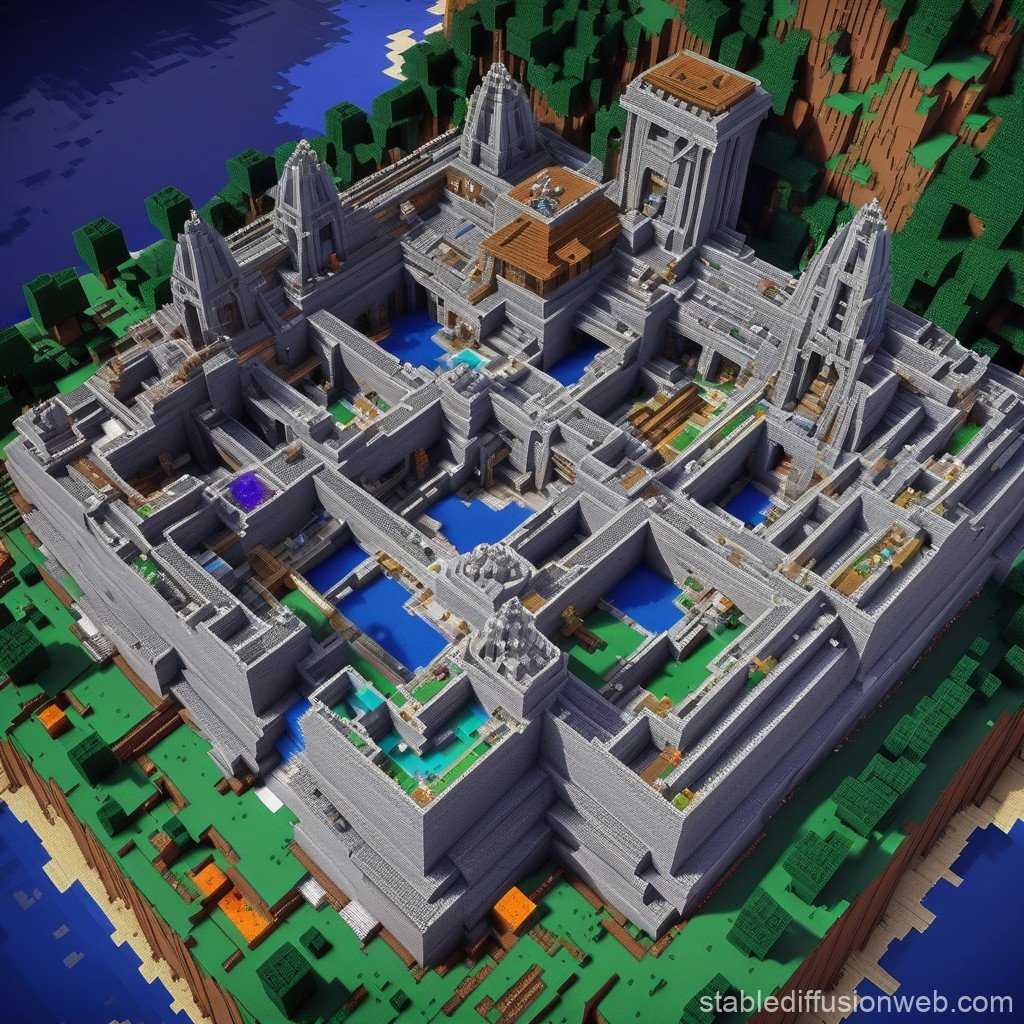
Building a Minecraft megabase is more than just stacking blocks; it's an epic undertaking that transforms your world into a monument of ambition and engineering. At its heart, what truly separates a grand structure from a functional empire are its Mega Base Functional Utilities. These aren't just add-ons; they are the central nervous system, the arteries, and the beating heart that make your colossal creation efficient, self-sustaining, and genuinely enjoyable to inhabit. Without well-planned utilities, even the most breathtaking build can become a frustrating labyrinth of manual labor and endless commutes.
This guide will walk you through designing, integrating, and optimizing the essential functional elements that will turn your megabase dreams into a seamless reality. We’re talking about smart storage, automated farms, lightning-fast transport, and all the behind-the-scenes magic that makes a megabase truly sing.
At a Glance: Crafting Your Efficient Megabase
- Plan Early, Design Smart: Functional utilities aren't an afterthought; they're foundational. Integrate them into your overall design from day one.
- Storage is King: Design an expandable, organized, and largely automated storage system that grows with your base.
- Automate Everything Feasible: From food to iron to mob drops, build farms to reduce grind and free up your time for building.
- Master Movement: Implement diverse transport systems (Elytra, ice paths, Nether routes) for rapid traversal across your vast domain.
- Villagers are Vital: Create dedicated, efficient villager trading halls for essential resources, enchantments, and Mending.
- Safety First: Consistently spawn-proof and secure your entire megabase, including Nether portals.
- Optimize Performance: Align farms to chunk borders, minimize Redstone lag, and manage entity counts to keep your world running smoothly.
- Stay Motivated: Break your monumental task into smaller, manageable milestones to prevent burnout.
Why Utilities Are the Unsung Heroes of Megabase Construction
Imagine a magnificent castle, sprawling across biomes, reaching for the clouds. Now imagine that every time you need cobblestone, you have to run a kilometer to a quarry, or every time you need food, you manually plant and harvest. That impressive structure quickly becomes a chore. This is where Mega Base Functional Utilities step in.
Your megabase isn't just a pretty face; it's a complex ecosystem designed for completeness, clear lines, and unparalleled functionality. It's where all your key functions — storage, farms, portals, villager trading, and transport routes — converge. By integrating these utilities thoughtfully, you transform a sprawling build into a highly optimized, player-friendly hub. You're not just building a base; you're building an operating system for your Minecraft world.
The Foundation: Location, Location, Location
Before a single block is placed, your megabase's location dictates much about its potential utilities. Proximity to required blocks and resources (like specific biomes for wood or sand, or deep caves for ores) directly impacts how easy it will be to feed your future farms. Consider:
- Biome Aesthetic & Resources: Does the biome fit your chosen style (medieval, steampunk, sci-fi)? Are essential blocks nearby?
- Expansion Space: Do you have ample room, vertically and horizontally, for future farms and expansions?
- Chunk Alignment: Crucial for large Redstone farms to function reliably. Planning your build to align with chunk borders prevents glitches and ensures efficiency.
- Nether Routes: A well-placed main portal in your base, leading to an efficient Nether hub, is non-negotiable for fast travel and resource acquisition. This is often an early utility to plan for.
- Spawn-proofing Needs: Certain biomes (like a mushroom island) offer natural safety from hostile mobs, simplifying spawn-proofing efforts, though terraforming might be more demanding.
Careful site selection sets the stage for efficient utility integration, ensuring you're building with your environment, not against it.
The Core Utilities: Design & Implementation
Let's dive into the indispensable utilities that will define your megabase's efficiency.
1. The Command Center: Storage & Workshop
This is arguably the most critical utility. A well-designed storage hall keeps your resources organized, accessible, and manageable. Without it, you'll drown in chests and constantly lose track of items.
Designing Your Storage System:
- Expandability is Key: Your base will grow, and so will your material needs. Design your storage to be easily expandable, whether that means extra rows of chests or more modules for an automatic sorter.
- Automatic Item Sorters: A game-changer. Utilize hoppers, observers, and water streams to sort incoming items into designated chests. Categorize items logically:
- Building Blocks: Stone types, dirt, sand, gravel, wood, glass.
- Redstone Components: Wires, pistons, repeaters, observers, droppers.
- Food & Farm Drops: Cooked meats, crops, raw materials.
- Mob Drops: String, bones, gunpowder, Ender Pearls.
- Nether/End Specifics: Netherrack, basalt, End Stone, Shulker Shells.
- Decor & Dyes: Wool, terracotta, paintings, all dye colors.
- Tools, Armor, Weapons: Separate chests for each, perhaps with a "damaged items" section for Mending.
- Bulk Input & Quick Drop-off: Include a central input chest or hopper line where you can dump your entire inventory after a mining trip or farm run. The sorter handles the rest. Similarly, quick drop-off points strategically placed around your base (e.g., near portals or major farms) allow for immediate inventory management.
- Central Workshop Hub: Integrate essential utilities directly into your storage hall or nearby. This minimizes travel time for crafting and enchanting. Include:
- Multiple Crafting Tables
- Anvils (perhaps a separate repair station)
- Enchanting Setup (with bookshelves for max level enchantments)
- Brewing Stands
- Ender Chest for portable storage
- A Bed (for setting spawn and sleeping through nights)
- Cartography Table and a dedicated Map Room to track your progress and world exploration.
Remember, the goal is to spend less time managing inventory and more time building and exploring.
2. The Engine Room: Automated Farms
Farms are the lifeblood of a megabase, generating the colossal amounts of resources needed for construction, enchanting, and survival. Your material gathering for the build will be expedited significantly by having these set up early.
Essential Farm Types:
- Iron Golem Farms: For iron ingots, crucial for crafting tools, armor, and Redstone components like hoppers. A well-designed farm can provide thousands of iron per hour.
- Food Farms: Automatic crop farms (wheat, carrots, potatoes, beetroot), kelp farms (for fuel and food), and animal farms (cow, pig, chicken) ensure a constant, effortless food supply.
- Mob Farms: XP farms (spawners or dark rooms) provide experience for enchanting and Mending. Drop farms generate specific items like gunpowder (creepers), bones (skeletons), or string (spiders).
- Wood Farms: Tree farms (manual or semi-automatic) are essential for lumber, a primary building block. Designs vary from simple tree lines to complex, fully automatic tree harvesting machines.
- Villager Breeders: An automatic villager breeder is a must-have before building your trading hall, ensuring an endless supply of new villagers.
Optimization Tips for Farms:
- Chunk Alignment: Many large Redstone farms (especially mob farms) perform best when aligned precisely with chunk borders, preventing parts of the farm from unloading prematurely.
- Close Proximity (Selective): While you don't want all farms right on top of each other (due to entity limits or noise), consider placing related farms closer together. For example, a kelp farm feeding a super smelter.
- Efficient Redstone: Use compact and efficient Redstone designs to minimize lag. Avoid unnecessarily large or complex circuits if a simpler one will suffice.
- Minimize Entity Stacks: Be mindful of item entity accumulation, especially in large mob farms, as too many entities can cause significant lag. Use quick collection systems and automatic item disposal for unwanted drops.
For those eager to dive deeper into the world of colossal builds, you might want to Explore Minecraft mega bases and see how others have integrated their farming infrastructure.
3. The Artery System: Transport & Navigation
A megabase is vast. Without efficient transport, you'll spend more time walking than building. Good navigation and fast travel are crucial for maintaining momentum.
Key Transport Methods:
- Elytra Launch & Landing Platforms: Once you have Elytra, this becomes your primary mode of long-distance travel. Design dedicated launch towers (water elevators, bubble columns, or simple staircases) and safe landing pads (water streams, slime blocks) throughout your base.
- Ice Boat Paths: For rapid ground-level travel, particularly effective for moving items or reaching specific modules quickly. Blue Ice or Packed Ice offer the fastest speeds.
- Minecart Systems: While slower than Elytra or ice boats, minecarts offer reliable, AFK-friendly transport, especially useful for moving villagers or large quantities of items over long distances.
- Nether Hub & Portals: Your most powerful fast-travel network. Build a central Nether hub with clearly marked exits to different parts of your overworld base and other important locations. Optimizing these routes for the shortest possible overworld distance is paramount.
- Water Elevators & Bubble Columns: Vertical transport within structures. Bubble columns (using Soul Sand for up, Magma Block for down) are silent, fast, and item-friendly.
- Clear Signage & Pathing: Even with fast travel, clear signs, color-coded paths, and consistent design language help prevent disorientation. Short, direct walks between key areas are always preferred.
4. The Marketplace: Villager Trading Halls
Villagers are your best friends in a survival megabase. Their trades offer access to rare enchantments, specific blocks, and an abundance of resources.
Building Your Trading Hub:
- Dedicated Trading Hall: A central, organized location for all your professional villagers. Design it for clear navigation and easy access to specific trades.
- Profession Specificity: Dedicate areas or modules for different professions (Librarians for Mending/specific enchantments, Toolsmiths for diamond tools, Farmers for food, Masons for stone blocks).
- Automatic Restock Mechanisms: For some trades, you can automate item delivery to villagers to ensure they always have stock. For example, an iron farm feeding iron to toolsmiths.
- Safety & Security: Villagers are fragile. Your trading hall needs to be completely spawn-proofed and protected from any external threats. Consider iron doors, Golems, and high walls.
- Cure-to-Discount Systems: Incorporate a zombie-villager curing station to get permanent trade discounts, making resources even cheaper.
Beyond the Basics: Advanced Utility Integration
Once the core utilities are in place, you can think about more sophisticated integrations.
Aesthetic Integration with Functionality
A truly impressive megabase seamlessly blends aesthetics with function. Your farms don't have to be ugly industrial complexes.
- Themed Exteriors: Design farm exteriors and utility buildings to match your megabase's overall style. A medieval-themed mob farm, a sci-fi storage bay, or an organic-style tree farm.
- Hidden Mechanics: Use decorative blocks, false walls, or underground tunnels to hide the complex Redstone and unsightly machinery of your farms and sorters.
- Lighting as Decor: Beyond spawn-proofing, use light sources (lanterns, glowstone, shroomlights) creatively to enhance ambiance and highlight pathways.
- Vegetation & Water Features: Integrate natural elements. A lush garden around your food farm, a decorative waterfall near a water elevator, or custom trees framing a transport hub.
Performance Considerations
With the sheer scale of a megabase, performance can become an issue.
- Server-Friendly Design: If on a server, collaborate with others. Avoid unnecessary entity cramming, excessive Redstone updates, and highly active unloader chunks near central areas.
- Chunk Loading Management: Understand how chunk loaders work and use them sparingly. Not every farm needs to be constantly loaded. Design farms to be activated when needed, or place them within your base's regularly loaded chunks.
- Efficient Redstone: As mentioned, always seek the simplest Redstone solution. Observers detecting growth or item movement are powerful but can be overused.
- Regular Maintenance: Periodically check for accumulating entities or glitches that might cause lag.
Keeping the Dream Alive: Motivation & Milestones
Building a megabase with all its integrated Mega Base Functional Utilities is a marathon, not a sprint. Motivation is key.
- Break Down the Behemoth: Instead of seeing one giant project, break it into small, manageable milestones. "Build the iron farm," "Complete the main storage sorter," "Finish one section of the Nether hub."
- Work on Multiple Areas: If you get bored with building walls, switch to designing a Redstone circuit for a farm, or terraforming a new area. Variety keeps things fresh.
- Celebrate Small Wins: Take screenshots, update your map, or even do a quick timelapse when a major utility or section is completed. Acknowledge your progress.
- Integrate New Updates: New blocks or mechanics in game updates can provide fresh inspiration for designs or utility improvements.
- Be Flexible: It's okay to make mistakes or find that a design doesn't quite fit. Reworking parts that aren't working is a sign of good design, not failure.
- Take Breaks: Step away from the game. Return with a fresh perspective, and often, new ideas will flow. Shulker Boxes are your best friends for logistics, allowing you to transport vast amounts of materials efficiently, even when taking breaks or moving between distant work sites.
Final Thought: Your Masterpiece Awaits
A well-planned and executed megabase, rich with sophisticated Mega Base Functional Utilities, transcends mere size. It becomes a testament to your creativity, planning, and persistence. You’re not just building structures; you’re crafting an experience – a truly efficient, self-sustaining, and awe-inspiring home in your Minecraft world.
By prioritizing thoughtful design, efficient systems, and clever integration from the outset, you’ll ensure that your megabase isn't just a sight to behold, but a joy to live and thrive in. So grab your pickaxe, fire up your creative mode for planning, and embark on this incredible journey. Your masterpiece, a beacon of efficiency and wonder, is ready to be built.